

UW-Madison
A Future Without Dog and Cat Experimentation
UW–Madison has a long history of using animals in research, including dogs and cats. Although recent USDA reports indicate that the university has reported no dogs (on campus) in the past two years, UW–Madison has not publicly committed to permanently ending dog experimentation. Cats continue to be reported each year.
Dane4Dogs is calling on UW–Madison to take the next step: publicly and permanently end non-therapeutic experimentation on dogs and cats and expand its investment in modern, human-relevant research methods.
Progress should be recognized—but temporary progress is not the same as permanent change.
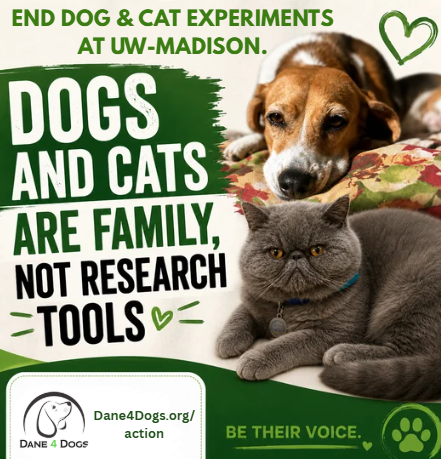
Dogs and Cats Are Family — Not Research Tools
What Are We Asking For?
Permanently end non-therapeutic dog experimentation.

Utilize and develop humane, modern non-animal methods.
With Ridglan Farms closing, Wisconsin has the opportunity to turn the page and move forward. UW-Madison can lead the way to by making a permanent commitment to end non-therapeutic dog and cat experimentation.
Why Are We Asking?
Progress is not temporary. Without a public commitment, UW-Madison is free to resume dog experimentation in the future. Dane4Dogs believes zero dogs and cats should be used every again.
Why A Permanent Commitment?
What Types of Experiments Has UW-Madison Performed?
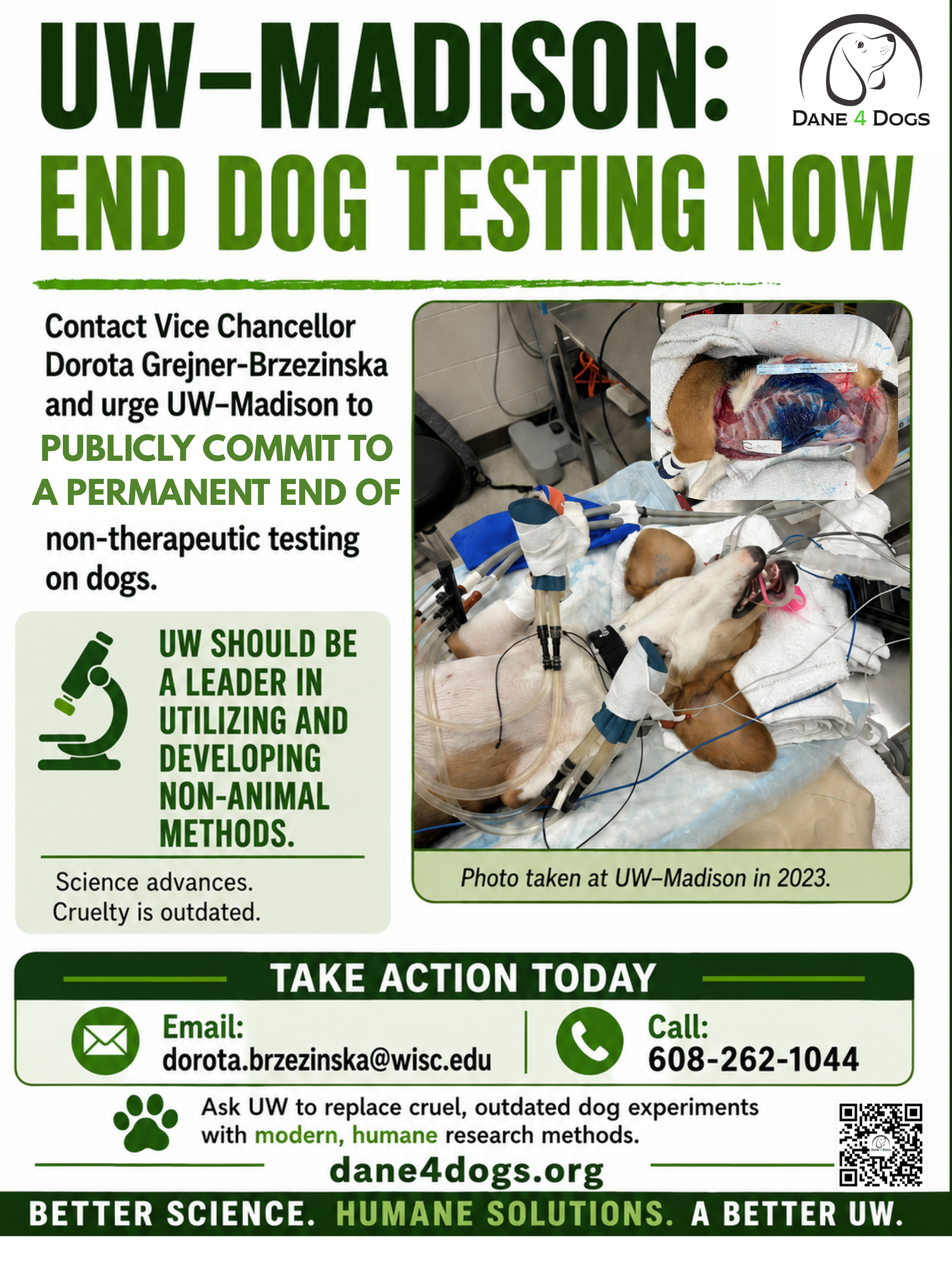
In early 2026, Rise for Animals released records, photographs, and research documents obtained through public records requests that appear to trace beagles purchased from Ridglan Farms into experiments at UW–Madison: Ridglan Farms: The Horrific Fates of Dogs Not Rescued – Rise for Animals. Please note: this link includes very graphic photos that will likely be upsetting.
According to the records, dogs were subjected to research procedures and ultimately euthanized and dissected as part of the studies. The documents identify individual Ridglan-bred dogs by tattoo number and provide a rare glimpse into what happens to dogs after they leave breeding facilities and enter laboratories.
At a time when hundreds of Wisconsin residents have opened their hearts to rescued Ridglan beagles, these revelations underscore the continuing demand for dogs within the animal experimentation industry and the need for greater transparency and a transition to modern, non-animal research methods.
UW-Madison Reported Dog and Cat Use
Source: USDA Research Facility Annual Reports for UW–Madison, fiscal years 2018-2025.
What the USDA Reports Show
Each USDA-registered research facility must submit an annual report documenting the animals it used or held for research, testing, teaching, experimentation, or surgery. These reports include dogs, cats, rabbits, non-human primates, and other animals. However, they do not represent every animal used in laboratories because many purpose-bred rats, mice, and birds are excluded from the Animal Welfare Act’s reporting requirements.
Cats Are Still Being Used
While UW–Madison has recently reported zero dogs, cats are still being used and their usage appears to be increasing.
Cats are sensitive, social companion animals capable of experiencing pain, fear, stress, and distress. They deserve the same consideration and protection we are asking UW–Madison to provide for dogs.
UW–Madison has a documented history of using cats in research, including neurological and auditory studies. The university continues to operate an animal-research program and states that it considers animal experimentation ethical when it is regulated and alternatives are considered unavailable.
Dane4Dogs believes UW–Madison should establish a plan to end non-therapeutic cat experimentation rather than continuing to treat cat use as an acceptable part of research.
Dogs and cats deserve more than better laboratory conditions. They deserve freedom from the laboratory altogether.
UW-Madison is one of Wisconsin’s most influential research institutions. While UW-Madison has used dogs for research in the past, in 2024 and 2025, UW-Madison reported using ZERO dogs for experimentation on campus. However, they are still reporting using cats each year.
Dane4Dogs believes UW-Madison has the opportunity to lead with compassion.
What Are We Asking UW-Madison to Do?
1. Immediately and permanently end non-therapeutic dog and cat experimentation: Adopt a public, written policy preventing dogs and cats from being used in experiments that are not intended to treat or directly benefit the individual dogs involved.
2. Establish a clear plan to end non-therapeutic cat experimentation: Stop approving new projects that use cats or dogs and create a transparent timeline for ending existing non-therapeutic cat and dog studies.
3. Prioritize non-animal research methods: Increase funding, training, and institutional support for research using non-animal methods including: human cells, organoids, organs on a chip, tissues, data, and technologies rather than relying on dogs, cats, or other animals.
Frequently Asked Questions

-
UW–Madison’s 2024 and 2025 USDA annual reports reportedly list zero dogs. However, the university has used dogs in the past and has not announced a public policy permanently prohibiting their future use.
That is why Dane4Dogs is asking UW–Madison to make its recent progress permanent.
-
Yes. Cats continue to be listed in UW–Madison’s annual USDA reporting. The final graph and linked reports on this page provide the available yearly totals.
-
No. USDA annual reports cover species regulated under the Animal Welfare Act. Purpose-bred rats, mice, and birds are generally excluded, along with some other animals. The reported dog and cat totals therefore represent only part of UW–Madison’s broader animal-research program.
-
Our campaign focuses on non-therapeutic experimentation—not veterinary care that may directly benefit an animal who is already a patient.
We support compassionate, ethical veterinary medicine. We oppose using healthy dogs and cats as experimental tools when procedures are not intended to help the individual animals involved.
-
Because annual numbers can change. A permanent written policy would provide meaningful protection and prevent dogs from being used again when a new researcher, grant, or project is proposed.
-
Outcomes vary by project and institution. Some animals may be adopted, transferred, retained for additional studies, or euthanized. Dane4Dogs is asking UW–Madison to publish clearer information about outcomes and to guarantee adoption opportunities for every eligible dog and cat.
Our Message to UW–Madison
Ending dog and cat experimentation will not happen simply because better possibilities exist. Institutions must choose to pursue them.
UW–Madison has already shown that years without reported dog use are possible.
Now it must make that progress permanent, extend the same protection to cats, and lead the transition toward ethical, human-relevant science.
Dogs and cats are family—not research tools.
Modern Science, Without Dogs or Cats
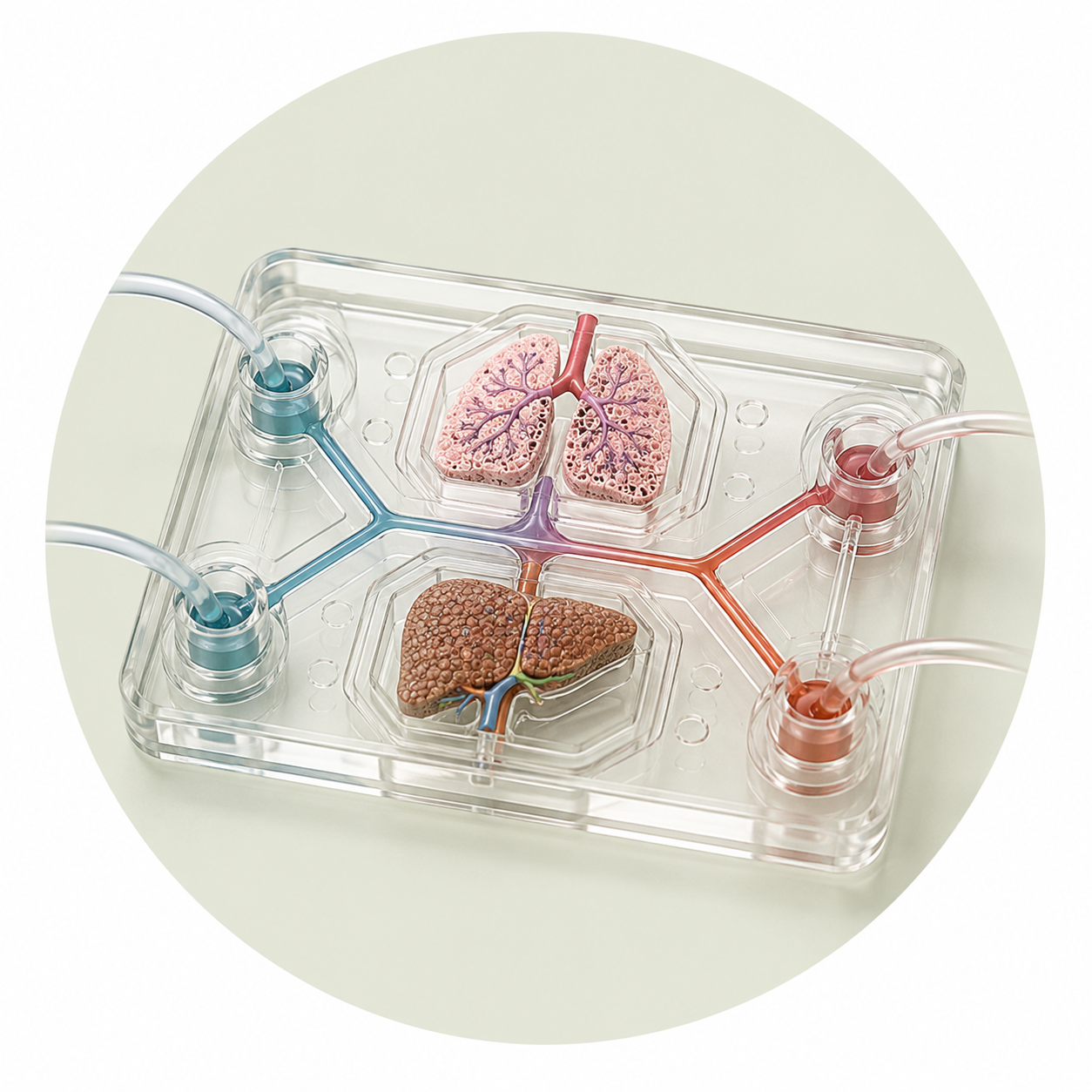
Organs On A Chip

Organoids
Ending dog and cat experimentation does not mean ending science. It means moving science forward.
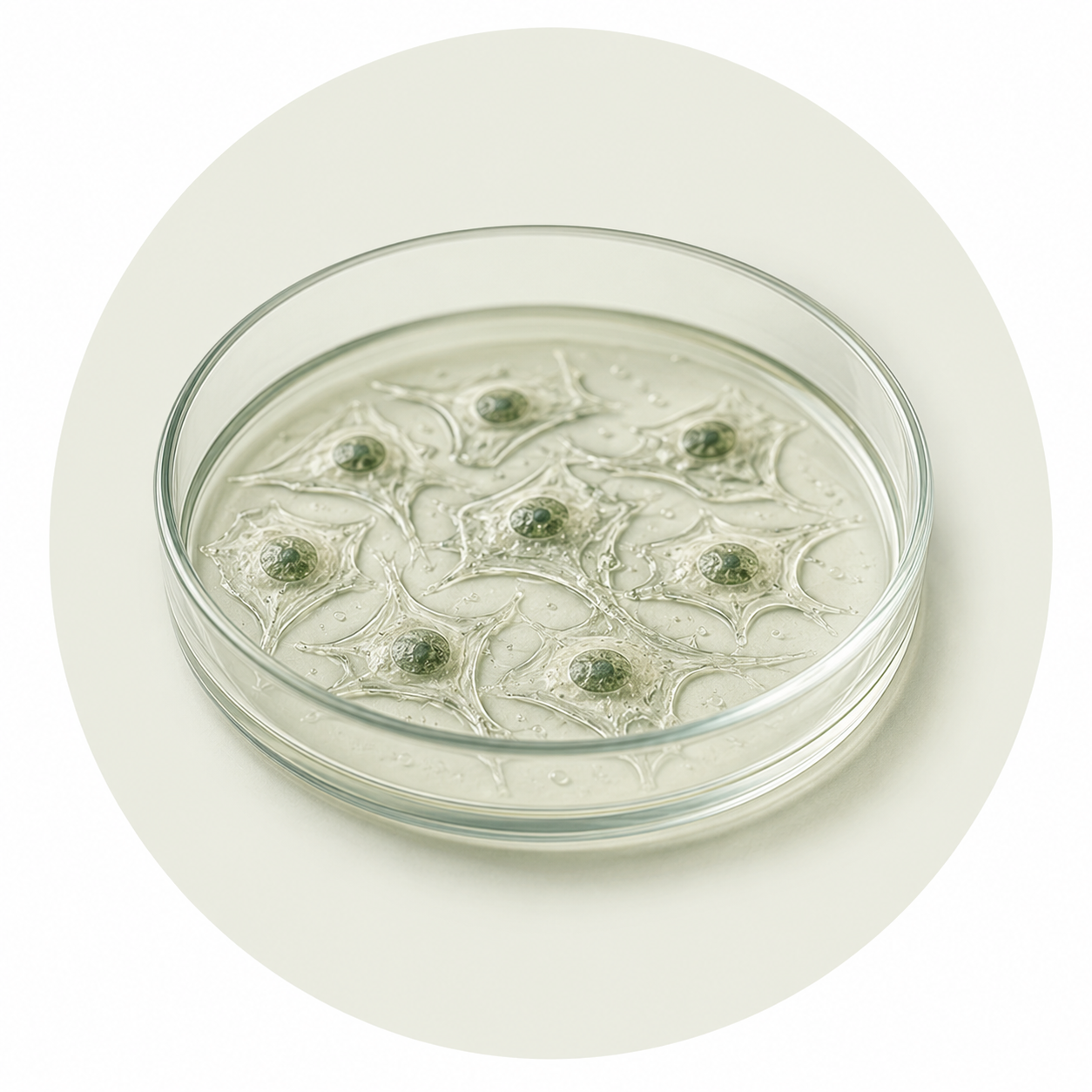
Human Cell Models
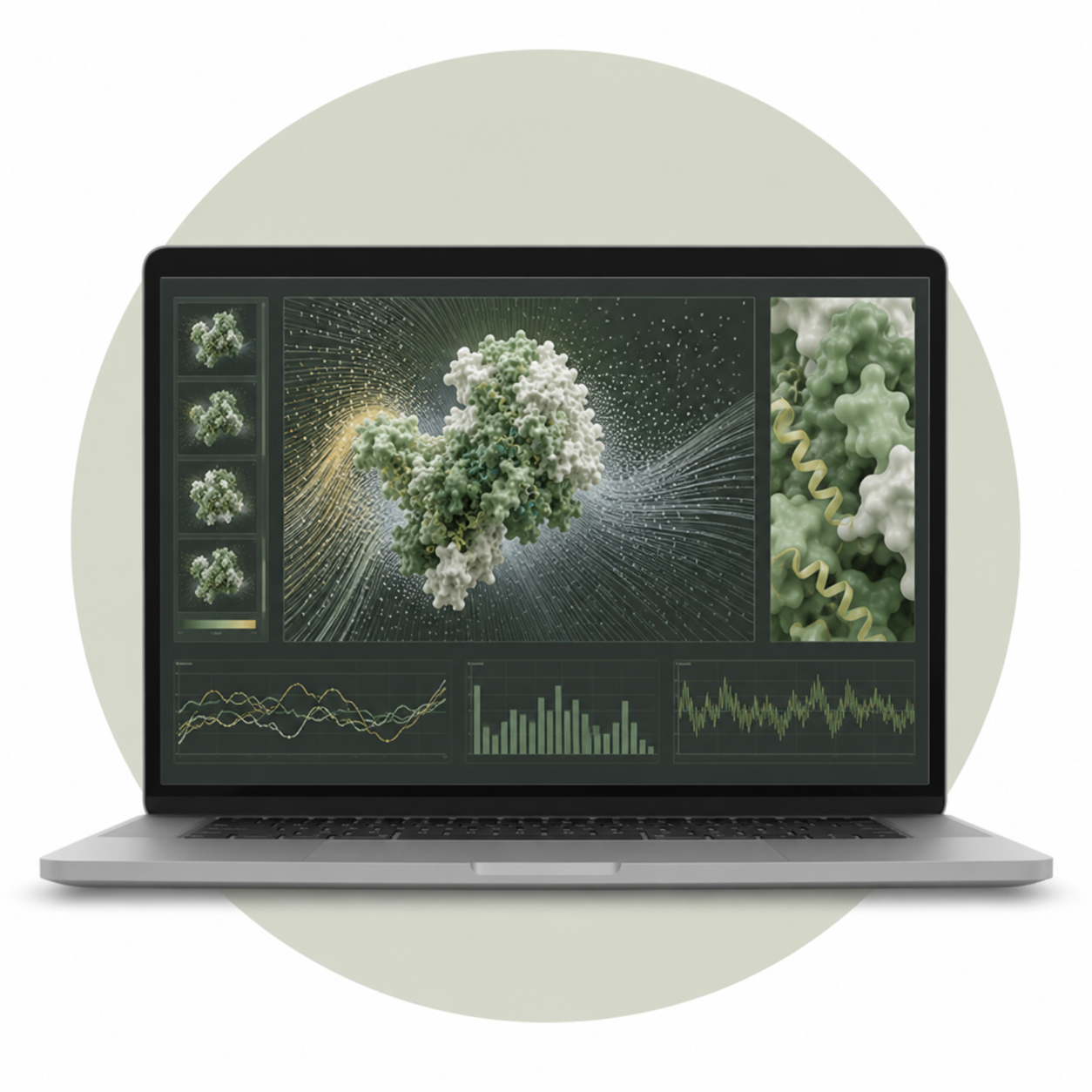
Computer Simulations